

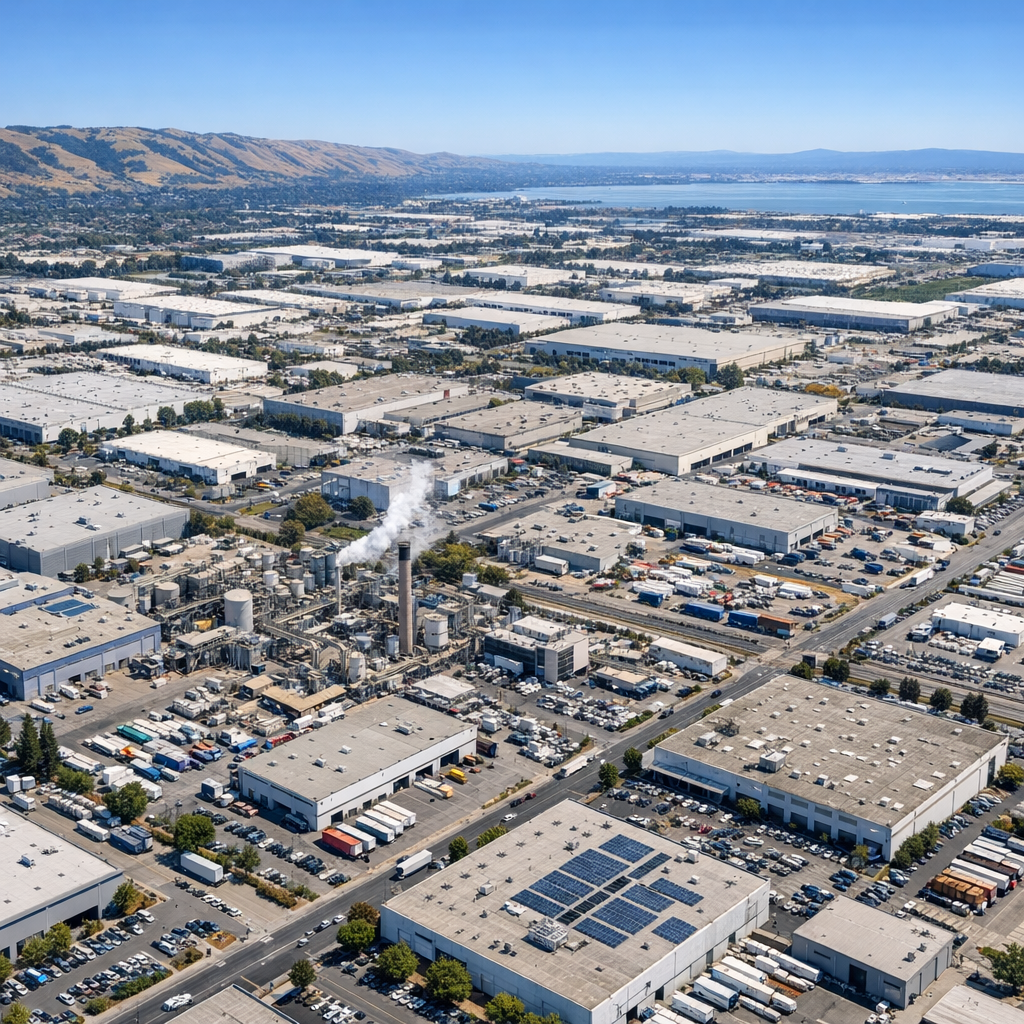
In recent years, Fremont has undergone a remarkable transformation, evolving from a quiet suburban enclave into a bustling hub of advanced manufacturing. This local surge mirrors broader national economic trends, highlighting the city’s growing significance on the national stage.
Fremont’s Manufacturing Renaissance
Mayor Raj Salwan, in his recent State of the City address, emphasized the city’s rapid industrial growth. He noted that Fremont secured 70% of all manufacturing leases in the region, a testament to its burgeoning industrial sector. Additionally, the city has invested over $1 billion in expanding utility infrastructure, effectively doubling its electrical grid capacity to support this growth.
National Economic Implications
Fremont’s manufacturing boom is not an isolated phenomenon. Across the United States, there’s a renewed focus on revitalizing domestic manufacturing to bolster economic resilience and reduce dependency on foreign supply chains. Fremont’s success story serves as a microcosm of this national movement, demonstrating the potential for local economies to drive broader economic recovery and growth.
Challenges and Opportunities
While the manufacturing surge brings numerous benefits, it also presents challenges. The influx of industries necessitates careful urban planning to balance growth with quality of life. Moreover, the city must ensure that the benefits of this economic upswing are equitably distributed among its diverse population.
In conclusion, Fremont’s manufacturing renaissance is a shining example of how local initiatives can align with national economic objectives. As the city continues to grow, it offers valuable insights into the dynamics of modern manufacturing and its role in shaping the future of the U.S. economy.